
THE NEXT FRONTIER
Traditional biodiversity monitoring reveals which species are present.
How do environmental change and unequal species responses reorganize ecological networks, and which interactions sustain resilient communities?
Challenges, opportunities, and scientific goals
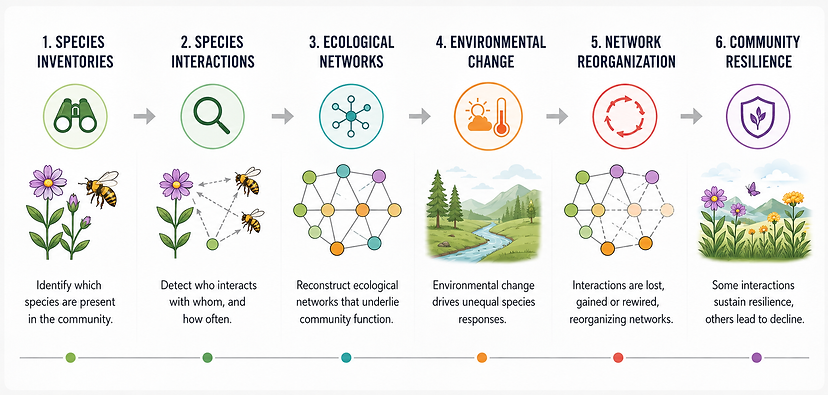
Biodiversity is often measured by the number of species present in an ecosystem. These inventories provide an essential foundation for conservation, but they reveal little about how ecological communities function. Species do not exist in isolation. Plants, pollinators, predators, parasites and microbes are connected through networks of interactions that regulate ecosystem processes. Understanding biodiversity therefore requires understanding not only who is present, but also how organisms interact.
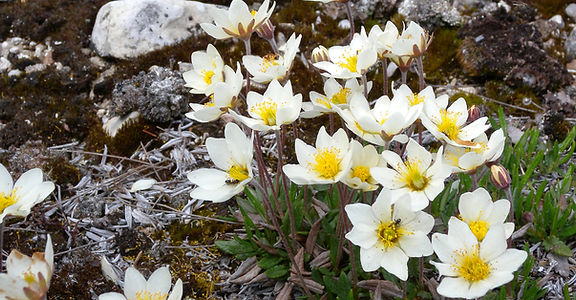
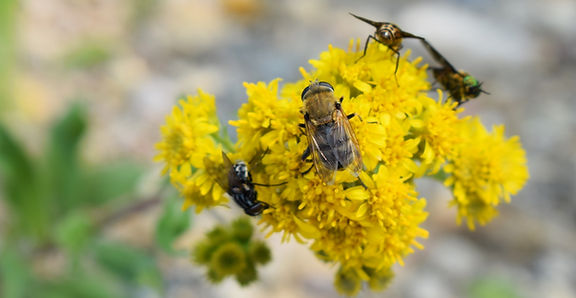
Pollination provides an ideal model for investigating these processes. Flowering plants and pollinating insects depend upon one another, forming ecological networks that underpin the reproduction of plants while sustaining pollinator populations. As climates change and biological communities reorganize, these interactions may be lost, replaced or strengthened. Yet we still know remarkably little about which interactions are most important for maintaining resilient communities.
Environmental change adds another layer of complexity. Species differ in their evolutionary histories, ecological requirements and adaptive capacities, causing them to respond differently to changing environments. Some species expand their distributions, others decline, while many alter the timing of flowering, emergence or reproduction. These unequal responses continually reorganize ecological interactions, potentially disrupting pollination, food webs and other ecosystem functions even before species disappear.
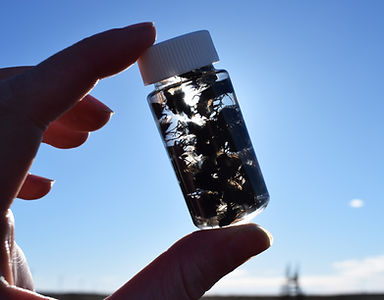
Our research seeks to move beyond conventional biodiversity surveys by reconstructing pollination networks from complementary ecological and genomic evidence. By integrating field observations with molecular analyses of pollen, insects and plants, we aim to identify the interactions that sustain northern ecosystems and to understand how these networks reorganize through time. This framework establishes the scientific foundation for predicting how ecological communities will respond to continued environmental change.

From species to ecological networks
Species interact through pollination, herbivory, predation and countless other ecological processes. These interactions determine how energy, nutrients and biological functions move through communities, yet many cannot be observed directly.
Reconstructing ecological networks therefore requires integrating multiple complementary sources of ecological and molecular evidence.